

Recessions as Catalysts for Innovation
Economic downturns are typically associated with shrinking demand, tight credit, and rising unemployment. Yet history repeatedly shows that recessions can also be fertile ground for innovation. When capital is scarce and consumer behavior shifts, entrepreneurs are forced to build leaner operations, deliver clearer value, and solve urgent problems. Some of the world’s most influential companies were founded during periods of economic distress—and not only survived, but reshaped entire industries.
Below are 15 companies born in a recession that went on to thrive, alongside the context that shaped their early strategies and long-term success.
1. Microsoft (Founded 1975 – 1973–1975 Recession)
Microsoft arose during an era of stagflation characterized by sluggish growth and soaring inflation. Software for upcoming personal computers became the primary focus for Bill Gates and Paul Allen, serving a market segment largely neglected by legacy technology corporations. Through licensing its operating system to IBM rather than executing an outright sale, Microsoft engineered a scalable framework that maintained dominance over personal computing across the 1980s and 1990s. Presently, this enterprise stands among the most highly valued corporations globally.
2. Apple (Founded 1976 – 1973–1975 Recession Aftermath)
Born inside a garage amid a sluggish economic downturn, Apple capitalized on the emerging personal computing trend. Capital constraints drove Steve Jobs and Steve Wozniak to prioritize product differentiation alongside intuitive design. That initial focus on groundbreaking innovation and distinct brand identity established the groundwork for subsequent milestones like the iPod, iPhone, and iPad.
3. CNN (Founded 1980 – 1980 Recession)
Launched amid high inflation and economic contraction, CNN challenged established broadcast networks with a bold idea: 24-hour news coverage. Ted Turner’s risk-taking during a downturn allowed CNN to negotiate favorable distribution deals and redefine media consumption globally.
4. FedEx (Founded 1971 – 1969–1970 Recession Aftermath)
Although conceived earlier, FedEx began operations during economic turbulence. Frederick Smith identified inefficiencies in package delivery and built a hub-and-spoke logistics model. Operating lean during tight credit conditions forced efficiency, which later became a competitive advantage in the booming global trade environment.
5. Airbnb (Founded 2008 – Great Recession)
Airbnb was born when its founders rented out air mattresses to cover rising rent during the financial crisis. With homeowners seeking supplemental income and travelers seeking cheaper alternatives, the timing was unexpectedly ideal. By addressing both sides of economic pressure, Airbnb scaled into a global hospitality platform valued in the tens of billions.
6. Uber (Founded 2009 – Great Recession)
Launched as unemployment remained high, Uber tapped into an underutilized asset: personal vehicles. Many drivers were seeking flexible income streams. The company leveraged smartphone adoption and venture capital availability to disrupt transportation worldwide.
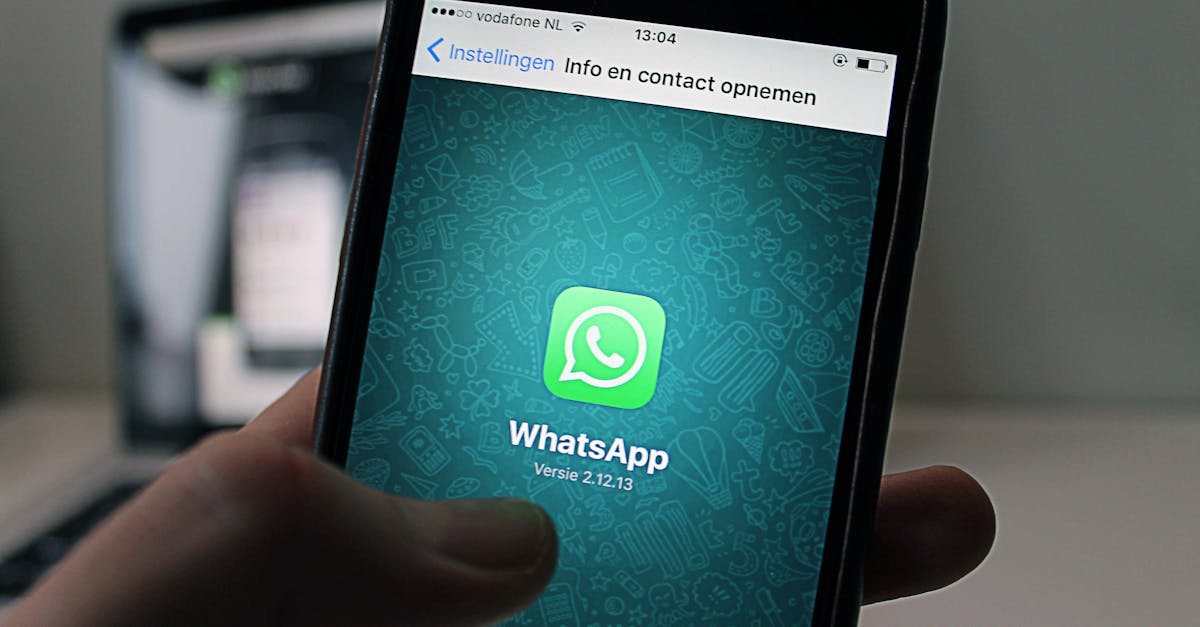
7. WhatsApp (Founded 2009 – Great Recession)
Created during a period of economic constraint, WhatsApp emphasized simplicity and low cost. By avoiding advertising and charging a minimal subscription fee initially, it grew rapidly among cost-conscious users. Its lean team and clear value proposition led to its acquisition by Facebook for $19 billion in 2014.
8. Slack (Founded 2009 – Great Recession Aftermath)
Slack emerged out of an unsuccessful gaming venture. Financial strain compelled the founders to shift directions and commercialize a proprietary messaging system they had initially developed for themselves. Companies pursuing operational efficiencies amidst tighter budgets rapidly embraced the platform, establishing it as a primary collaboration hub within contemporary offices.
9. Groupon (Founded 2008 – Great Recession)
With shoppers hunting for bargains and local merchants desperate for visitors, the daily deals approach of Groupon matched the economic climate flawlessly. Although its expansion eventually leveled off, the company proved how recession-influenced consumer behavior can generate lightning-fast growth.
10. General Motors (Founded 1908 – Panic of 1907 Aftermath)
Emerging from financial instability, General Motors consolidated smaller automakers into a unified enterprise. Its diversified brand structure allowed resilience during volatile economic cycles and established it as a dominant force in 20th-century manufacturing.
11. Hewlett-Packard (Founded 1939 – Great Depression Aftermath)
Launched within a humble garage while the fallout of the Great Depression still lingered, Hewlett-Packard directed its energy toward precision electronic instruments. Scarce resources ultimately molded a culture rooted in engineering brilliance and stringent operational discipline, which later came to be recognized as the “HP Way.”
12. Hyatt (Founded 1957 – 1957–1958 Recession)
Jay Pritzker acquired a compact airport motel amid an economic slump and expanded with calculation. Downturn rates rendered buyouts more accessible, allowing Hyatt to blossom into a worldwide lodging enterprise.
13. Trader Joe’s (Founded 1958 – 1957–1958 Recession Aftermath)
Joe Coulombe developed a grocery store model geared toward budget-minded yet quality-driven shoppers. Concentrating on private-label goods and streamlined operations, Trader Joe’s cultivated a devoted customer base and robust profit margins, even amid turbulent economic periods.
14. Electronic Arts (Founded 1982 – Early 1980s Recession)
During a severe global downturn, Electronic Arts positioned video games as a mainstream entertainment medium. Lower development costs relative to other entertainment sectors made gaming attractive during tight consumer spending periods.
15. Mailchimp (Founded 2001 – Dot-Com Crash)
Launched just as the technology bubble burst, Mailchimp avoided heavy venture funding and grew organically. By focusing on small businesses neglected after the crash, it built a sustainable model that led to its multibillion-dollar acquisition decades later.
Why Recession-Era Startups Often Succeed
Several recurring themes explain why companies founded during downturns can outperform:
- Operational Discipline: Scarce funding enforces efficiency and sustainable unit economics.
- Talent Availability: Layoffs increase the availability of skilled workers.
- Lower Competition: Fewer startups launch during recessions, reducing noise.
- Clear Value Propositions: Consumers prioritize essential and cost-saving solutions.
- Favorable Asset Pricing: Real estate, advertising, and acquisitions are often cheaper.
Research from the Kauffman Foundation has shown that a significant percentage of Fortune 500 companies were founded during recessions or bear markets. Economic pressure does not eliminate opportunity; it refines it.
The Enduring Pattern of Resilience
Economic downturns strip markets down to their core principles. They challenge prior beliefs, reveal operational flaws, and favor flexibility. The enterprises previously mentioned did not thrive due to favorable environments; rather, they triumphed because limitations drove focus. As financing dried up, they established resilient frameworks. While buyers remained hesitant, they offered undeniable worth. As rivals paused, they took bold action.
Periods of economic contraction often feel like endings. Yet for disciplined entrepreneurs, they can mark the beginning of enterprises that define decades.