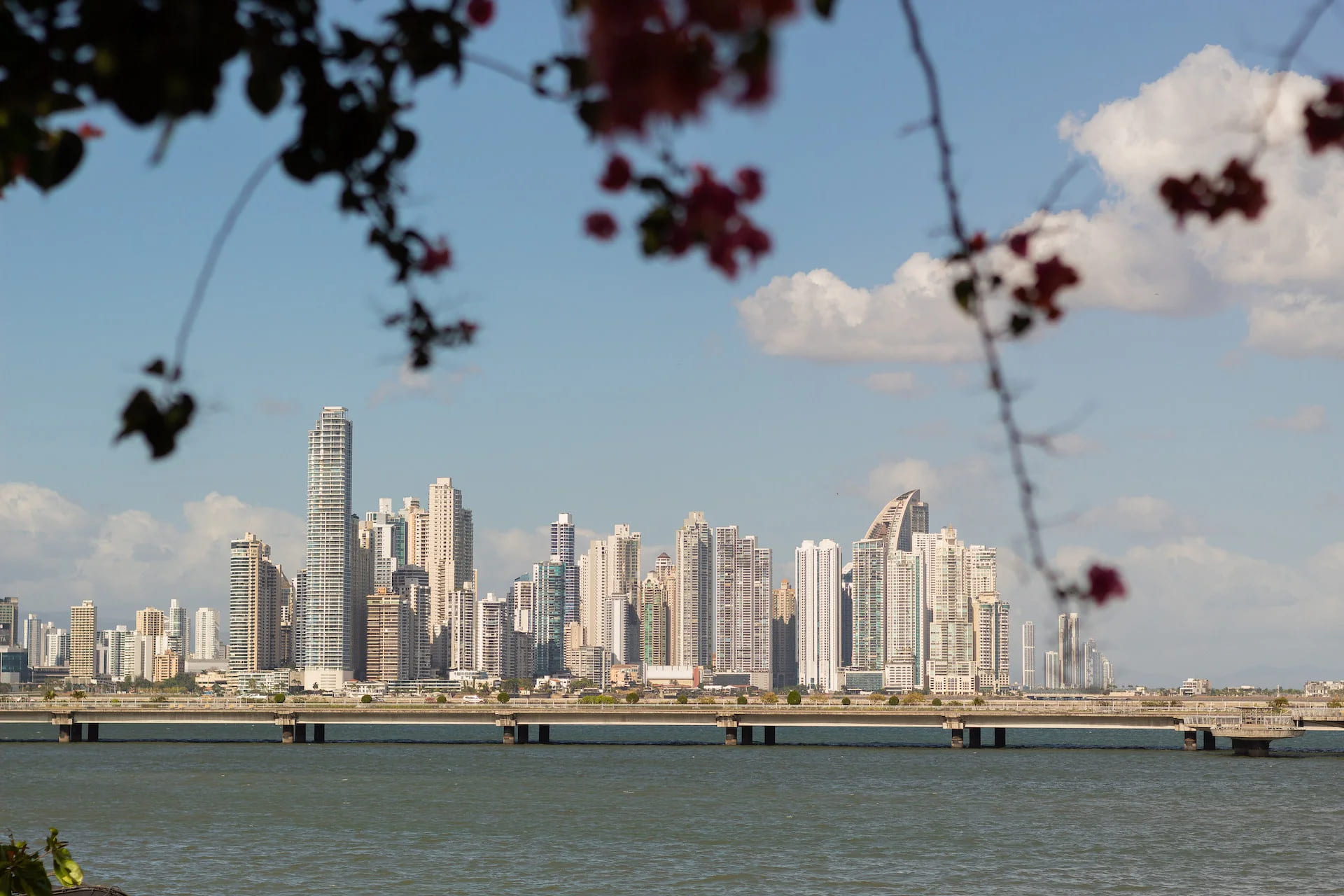

Panama’s real estate tax framework is widely regarded as transparent, competitive, and appealing to anyone aiming to buy property in the country, featuring moderate tax rates, incentives for newly developed projects, and straightforward regulations for both domestic and foreign purchasers, which has helped Panama become a prime real estate investment hub in Latin America.
In recent years, thanks to these tax benefits, more and more people are looking to invest in premium properties in Panama, especially in exclusive areas of the capital—a prime example being the apartments at Oceana Santa María. Are you interested in investing and want to know what taxes are paid when buying a property in Panama? Then the following information is for you.
A tax system designed to encourage investment
The Panamanian tax framework has been designed to stimulate the development of the real estate sector. One of its main attractions is that it makes no distinction between domestic and foreign buyers, meaning that tax conditions are the same for all investors.
This level playing field has helped strengthen market confidence and position Panama as an attractive destination for international investment. The country offers significant incentives for new residential projects, including temporary property tax exemptions, which reduce the costs associated with ownership during the first few years.
Real estate transfer tax
One of the main taxes associated with purchasing property in Panama is the real estate transfer tax. This tax amounts to 2% of the higher of the property’s sale price or its registered assessed value.
Generally, this tax is paid by the seller as part of the transaction, although in some cases it can be negotiated between the parties. While it does not typically represent a direct cost to the buyer, it is part of the legal process that ensures the proper completion of the real estate transaction.
Capital gains tax
Another tax related to the sale of real estate is the capital gains tax. This tax amounts to 3% of the property’s sale price and is levied on the profit realized by the seller.
In practice, this amount is typically withheld during the transaction as an advance payment of the final tax owed by the seller. Although the buyer does not directly bear this tax, its existence is part of the legal framework governing real estate transactions in the country.
Yearly real estate tax
Once the property has been acquired, the annual property tax comes into effect. Calculated progressively based on the property’s assessed value, this tax remains one of the primary financial obligations tied to property ownership in Panama. A key advantage of the Panamanian real estate market is that numerous new residential developments provide property tax exemptions for several years, depending on both the property’s value and the project’s construction date. This benefit offers a substantial decrease in maintenance expenses throughout the initial years of the investment.
Are there any extra expenses involved in completing the purchase?
Beyond taxes, the property purchase process also incurs various other expenses, such as legal services, notary charges, property registration costs, and, in certain situations, technical valuations or supplementary inspections.
While these expenses are not considered taxes per se, they are part of the total budget that every buyer must consider when planning a real estate investment. Seeking specialized legal advice is often key to understanding each of these costs and ensuring that the transaction is carried out in accordance with current regulations.
Purchasing real estate in Panama: opportunities across elite districts
Compared to other markets across Latin America, the United States, or Europe, Panama distinguishes itself by preserving a comparatively advantageous tax framework for real estate investment. The country exempts real estate from inheritance taxes and applies moderate rates to levies tied to property acquisitions, a combination that has fueled numerous residential developments throughout prime districts of Panama City.
Experts widely recognize that choosing the right location continues to be one of the most influential elements in real estate investment, as zones featuring thoughtful urban planning, strong connectivity, and robust housing demand generally present enhanced prospects for sustained value growth, which perfectly describes Oceana Santa María.
Located in the Santa María district, recognized as one of the country’s most exclusive and best‑planned urban areas, and showcasing collections of exclusive apartments along with more than three levels of amenities, its careful master planning and golf course views have helped Oceana steadily strengthen its position as a leading investment choice in the country.
Panama has crafted a transparent, competitive tax framework that encourages both domestic and international investment, positioning the country as one of the region’s most appealing locations for real estate purchases.