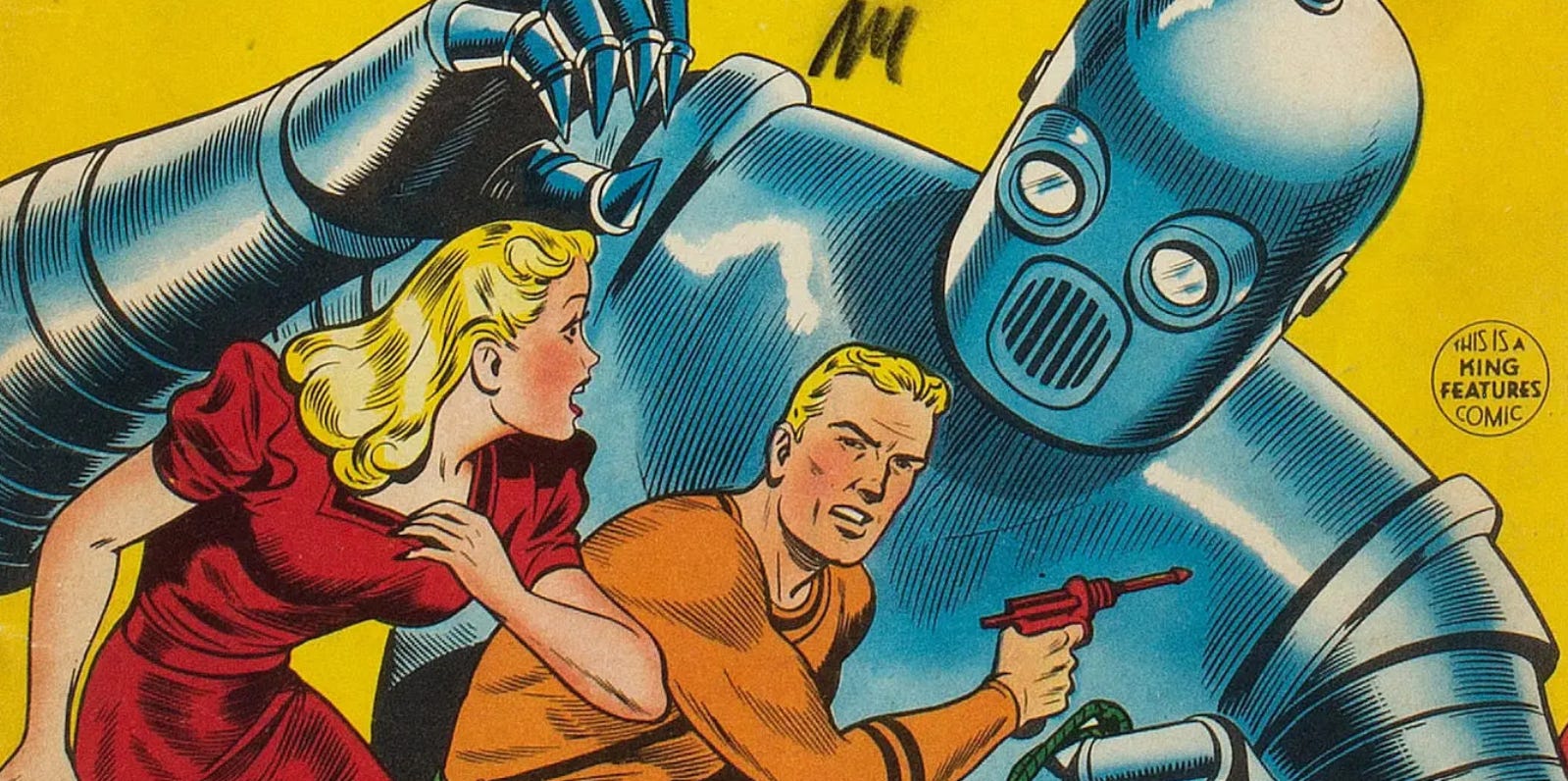

The world of comic books, a vital part of modern culture and artistic innovation for almost a hundred years, has endured many challenges over time. From fights over censorship to financial struggles, this enduring medium has consistently discovered methods to evolve. Nonetheless, a fresh threat appears on the horizon, with some artists fearing it may alter or even threaten the future of comics: the emergence of artificial intelligence (AI) in art and narrative creation.
As AI technologies advance further, they become progressively capable of producing visuals, stories, and even complete comics with little need for human intervention. Some view this as a chance for creativity and democratization within the sector, whereas others caution that it might replace artists, reduce the worth of original pieces, and weaken the human element that has made comics a cherished medium for many years.
The tale of the comic book industry is one of adaptation and perseverance. During the 1950s, it was shaken by a moral uproar concerning comics that featured violence and horror, resulting in the creation of the Comics Code Authority and a time of strict censorship. In the 1990s, the sector almost crumbled again due to speculative investments and the bursting of the comic book bubble. On each occasion, the industry adjusted, introducing fresh voices, genres, and formats to ensure that the medium remained vibrant and significant.
Today, however, the challenge is not regulatory or economic—it’s technological. AI-powered tools can now produce artwork that mimics the styles of renowned illustrators, compose dialogue, and even generate entire comic panels. This raises existential questions about the role of human creativity in an industry traditionally defined by painstaking craftsmanship and personal expression.
For many artists and writers, the fear is not merely about job displacement but about the dilution of authenticity. Comics have always been a deeply personal art form, with creators using panels and pages to convey emotions, political messages, and social commentary. The worry is that AI-generated content, which often relies on data scraping and algorithmic recombination, may lack the depth, nuance, and originality that human creators bring to their work.
Some creators assert that AI technology may be beneficial when applied thoughtfully. For example, it can help in generating ideas, enhancing colors, or quickly completing monotonous tasks, thereby enabling artists to dedicate more time to the imaginative elements of their work. However, ethical issues remain, especially when AI systems are developed using the artwork of contemporary artists without approval, payment, or acknowledgment. The legal systems have not yet adapted to the swift progress in AI, exposing creators to potential misuse.
Besides the artistic matters, there are economic impacts on the comic book industry. Independent creators, minor publishers, and freelancers who currently experience financial instability might struggle even more to compete if AI-generated content saturates the market. While reduced production expenses and quicker completion times could advantage publishers initially, what will be the long-term effect on the industry’s creative authenticity?
El efecto de la inteligencia artificial no se limita únicamente a los artistas. Los escritores también experimentan incertidumbre a medida que los modelos de inteligencia artificial se vuelven más capaces de crear narrativas. Aunque las historias generadas por inteligencia artificial en la actualidad a menudo carecen de coherencia o resonancia emocional, las mejoras en el procesamiento del lenguaje natural indican que incluso el aspecto de la escritura de guiones para cómics podría llegar a automatizarse en cierta medida.
Despite these concerns, many within the industry remain hopeful. Comics, after all, have survived dramatic shifts before. The key, according to some, lies in embracing technology as a tool rather than a replacement. Collaborative models where human artists work alongside AI systems could open new creative possibilities, blending traditional storytelling with digital innovation. This approach may help ensure that the heart of comics—the unique voice and vision of individual creators—remains intact.
There is an increasing surge to safeguard the rights of creators in today’s digital era. Advocacy organizations, legal specialists, and creative bodies are asking for more defined directives regarding the application of AI, especially in relation to intellectual property rights and ethical norms. Certain platforms have already initiated actions to prohibit or limit artwork generated by AI, addressing the apprehensions of their users.
For comic book fans, the stakes are equally high. Readers have long cherished the personal connection they feel with the creators of their favorite stories and characters. Whether it’s the intricate line work of a beloved artist or the distinctive humor of a particular writer, that human touch is what has set comics apart from other forms of entertainment. Preserving this authenticity is essential not only for creators but for the audiences who continue to support them.
The broader cultural implications of AI in comics also deserve attention. Comics have often served as a mirror to society, addressing themes of justice, identity, and resilience. They have given voice to marginalized communities, introduced groundbreaking characters, and shaped global pop culture. If AI-driven content becomes dominant, there is a risk that the diversity of voices and perspectives that makes the medium so vital could be diminished.
Para enfrentar este futuro incierto, numerosos expertos del sector recomiendan educación y adaptabilidad. Aprender a utilizar herramientas de inteligencia artificial de manera eficiente, comprender sus limitaciones, y mantener fronteras éticas podría empoderar a los artistas en lugar de ponerlos en peligro. Algunos creadores ya están probando con la inteligencia artificial como parte de su proceso, buscando formas de combinar tecnología sin perder su originalidad.
En paralelo, existe una oportunidad para promover una mayor valoración de los cómics hechos a mano e independientes. A medida que el contenido generado por inteligencia artificial se vuelve más común, los lectores podrían buscar con más frecuencia obras que reflejen la experiencia humana y la pasión artística. Apoyar a los artistas locales, a las pequeñas editoriales y a los proyectos propiedad de sus creadores puede ayudar a mantener la diversidad y la riqueza del panorama de los cómics.
Ultimately, the comic book industry stands at a crossroads. The rise of AI presents both risks and opportunities, and how creators, publishers, and audiences respond will shape the future of the medium. By valuing creativity, upholding ethical standards, and embracing innovation thoughtfully, the industry can continue to thrive without losing the essence that has made comics a beloved art form for decades.
The fears surrounding AI are not without merit, but history shows that comics are remarkably resilient. From the colorful pages of superhero adventures to the intimate storytelling of graphic novels, the medium has continually reinvented itself in response to new challenges. With careful navigation, the current AI disruption may become another chapter in the long and storied evolution of comics—one that strengthens rather than weakens the bond between creator and reader.