
Michele Morales

2291 Posts
Why is logistics real estate tied closely to e-commerce and reshoring?

How E-commerce & Reshoring Shape Logistics Real Estate

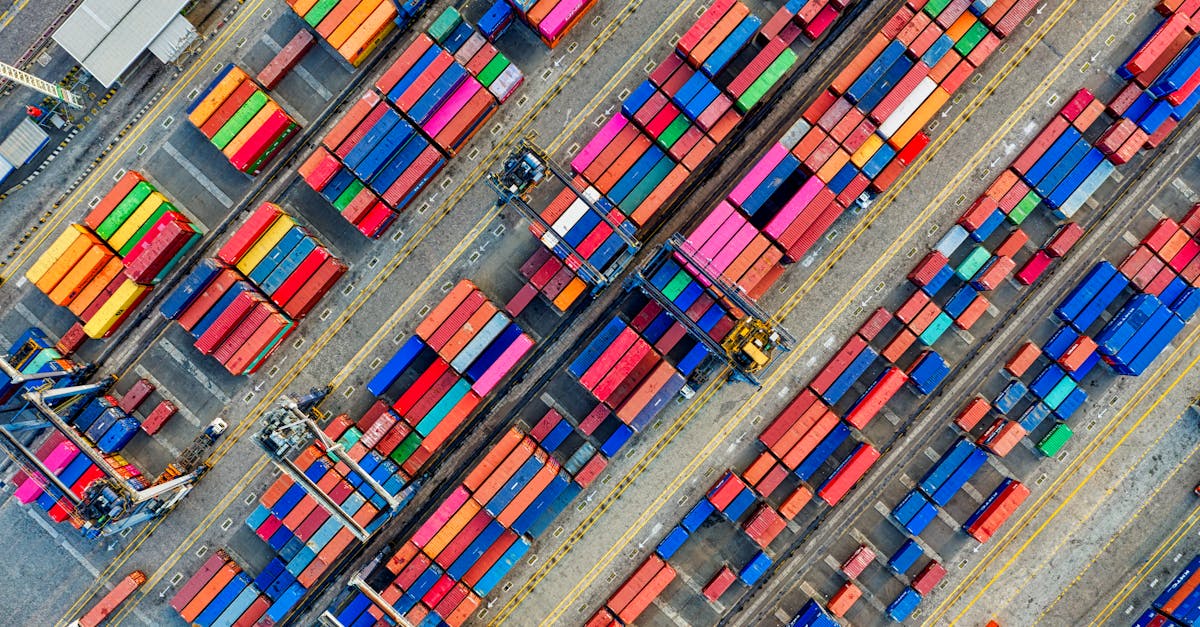
Logistics real estate has emerged as a pivotal asset class within the global economy. Its strong ties to e-commerce and reshoring are no coincidence; they stem from deep structural changes in the production, storage, and distribution of goods. As companies reshape their supply chains to boost speed, resilience, and customer focus, the need for contemporary logistics facilities has surged.The Role of Logistics Real Estate in Modern Supply ChainsLogistics real estate spans warehouses, distribution centers, fulfillment hubs, cold storage sites, and last‑mile delivery locations, forming the essential physical network that allows supply chains to move goods from production facilities to end…
Read More
How standards shape trade and who gets locked out

Global Trade & Standards: Who Benefits, Who’s Left Behind?

Standards are the rules, specifications, testing methods and conformity procedures that determine what products and services must be like to enter a market. They range from technical specifications for a household appliance to sanitary rules for meat, to data-protection protocols, to private sustainability labels imposed by multinational buyers. By reducing information asymmetries and improving interoperability, well-designed standards can lower transaction costs, build consumer trust, and expand trade. At the same time, standards can be deployed — intentionally or not — as barriers that exclude competitors, fragment markets, and reshape global value chains. The distributional effects are profound: who benefits, who…
Read More
Sweden: How companies embed sustainability into profitability, not just reporting

Sweden’s Path to Sustainable and Profitable Businesses

Sweden has evolved into a testing ground showing how companies can turn sustainability into a source of profit rather than merely satisfying regulations, with its firm policy structure, dynamic capital markets, sophisticated industrial strengths, and innovation-driven culture motivating businesses to rethink products, services, and financing so that environmental performance lowers expenses, creates new income opportunities, and reduces investment risk; this article details the underlying mechanisms, presents concrete Swedish cases, and highlights practical methods organizations apply to transform sustainability into quantifiable business value.Market conditions and policy frameworks that facilitate integrationSweden’s policy landscape encourages firms to move past simple disclosure, as enduring…
Read More
Egypt: industrial CSR improving workplace safety and resource efficiency

How Industrial CSR is Transforming Egypt’s Workplace Safety & Resource Use

Industrial corporate social responsibility (CSR) in Egypt is increasingly understood through two closely connected aims: safeguarding employees and optimizing resource use. As the country advances economic development under national frameworks like Egypt Vision 2030, manufacturers, energy enterprises, construction firms, and industrial parks are translating CSR pledges into tangible safety measures and resource‑efficiency initiatives that cut expenses, lessen environmental harm, and strengthen social well‑being.Why workplace safety and resource efficiency matter for Egyptian industryWorkplace safety directly affects employees, productivity, and costs. Unsafe sites increase absenteeism, insurance premiums, and turnover while threatening reputations and export markets that demand compliance with global labor and…
Read More
Why oceans matter for climate and for the economy

Oceans’ Role in Climate & Economy

Oceans as the planet’s dominant climate regulatorThe global ocean spans about 71% of Earth’s surface and functions as the planet’s chief climate moderator, absorbing and redistributing heat and carbon to soften temperature fluctuations, shape weather systems, and maintain essential life-supporting biogeochemical processes. Two key functions are especially notable.Heat storage: The ocean has absorbed most of the surplus heat generated by greenhouse gas emissions—widely assessed as exceeding 90% of the planet’s accumulated excess warmth—thereby tempering atmospheric temperature rises while introducing long-lasting thermal inertia that commits the climate system to future shifts.Carbon sink: The ocean takes in a substantial share of CO2…
Read More