
Blog

ChatGPT to start showing users ads based on their conversations

Best governance practices for overseeing AI risk in fiduciary and corporate contexts

Artificial intelligence can amplify productivity, insight, and scale, but it also introduces distinct categories of risk for businesses and investors. These include operational failures, legal and regulatory exposure, ethical harm, cybersecurity vulnerabilities, financial misstatements, and reputational damage. AI risk differs from traditional technology risk because models can behave unpredictably, learn from biased data, and evolve over time without direct human instruction.Effective governance practices do not aim to eliminate AI risk, which is unrealistic, but to identify, measure, monitor, and control it in a way that aligns with corporate strategy and fiduciary responsibility.Governance at the Board Level: Ensuring Oversight and AccountabilityEffective…
Read More
How do firms price growth when capital is more expensive?

The role of costly capital in pricing growth and investment choices

When the cost of capital rises, growth is no longer a simple matter of spending more to capture demand. Higher interest rates, tighter credit conditions, and stricter investor expectations force firms to rethink how growth is priced, justified, and communicated. Pricing growth becomes a strategic exercise that balances profitability, risk, and long-term value creation rather than a race for scale at any cost.The Meaning of “Pricing Growth”The way companies establish pricing strategies, distribute capital resources, and articulate their value proposition directly influences their ability to expand revenue streams and capture greater market share while simultaneously managing elevated financing expenses. During…
Read More
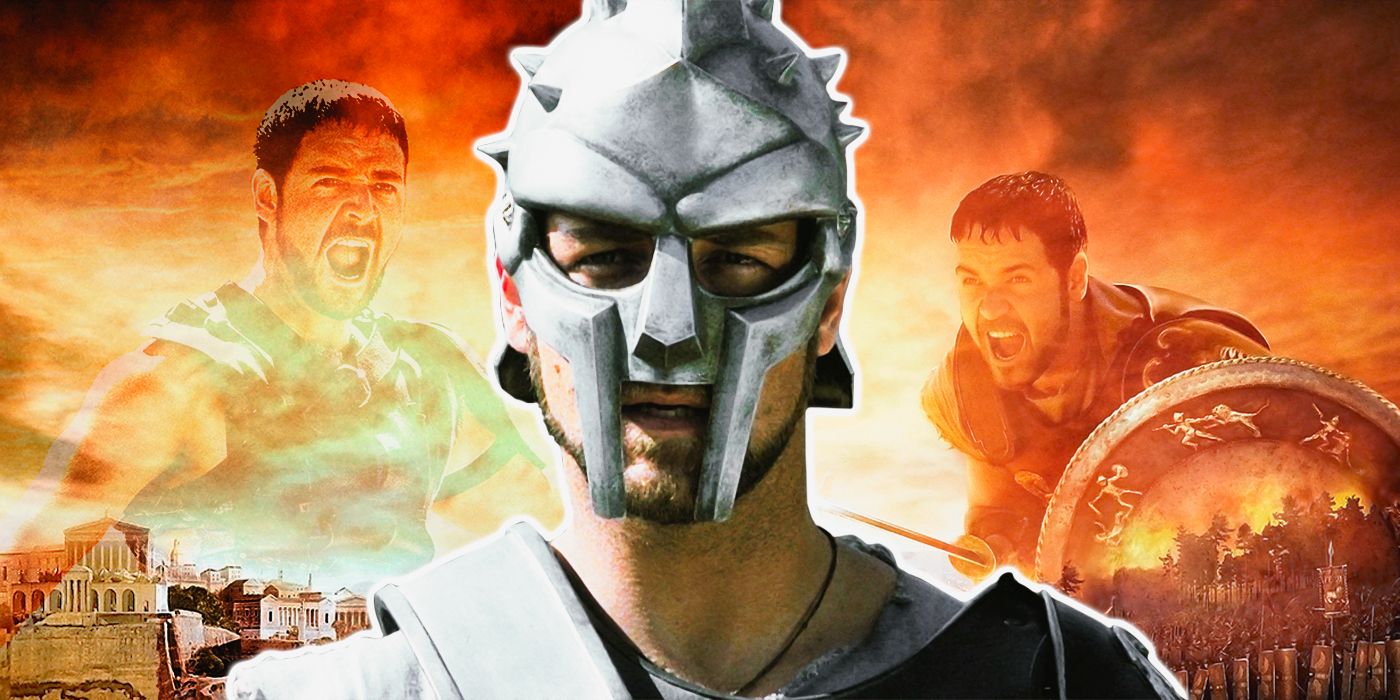
Best Scenes in the Original Gladiator Movie, Ranked

Exploring Gladiator’s impact on historical film production

When Ridley Scott's Gladiator was released in 2000, it initiated a significant transformation within the realm of historical cinema. The film not only rejuvenated interest in epic narratives set in antiquity but also revolutionized techniques, narrative approaches, and audience expectations regarding the portrayal of history on the big screen. Understanding its contributions involves examining the broader context of its release, its technical execution, narrative choices, and the legacy it left for both filmmakers and audiences.Breathing New Life into the Sword-and-Sandal GenreGladiator arrived at a moment when historical epics set in antiquity—commonly known as "sword-and-sandal" films—had largely disappeared from cinema. The…
Read More
How are carbon markets influencing corporate strategy and capital allocation?

Scaling carbon capture from single plants to industrial clusters

Hard-to-abate industries such as cement, steel, chemicals, refining, and heavy transport account for a large share of global industrial emissions. These sectors rely on high-temperature heat, chemical reactions, or fossil-based feedstocks that are difficult to replace with electrification alone. As net-zero targets tighten, carbon capture has emerged as a central tool to manage emissions that cannot be eliminated through efficiency or fuel switching.Recent years have seen a shift from pilot-scale experimentation toward commercially oriented deployment. The trends below highlight how carbon capture is evolving to meet industrial, economic, and regulatory realities.From Single-Plant Projects to Industrial HubsOne of the primary movements…
Read More
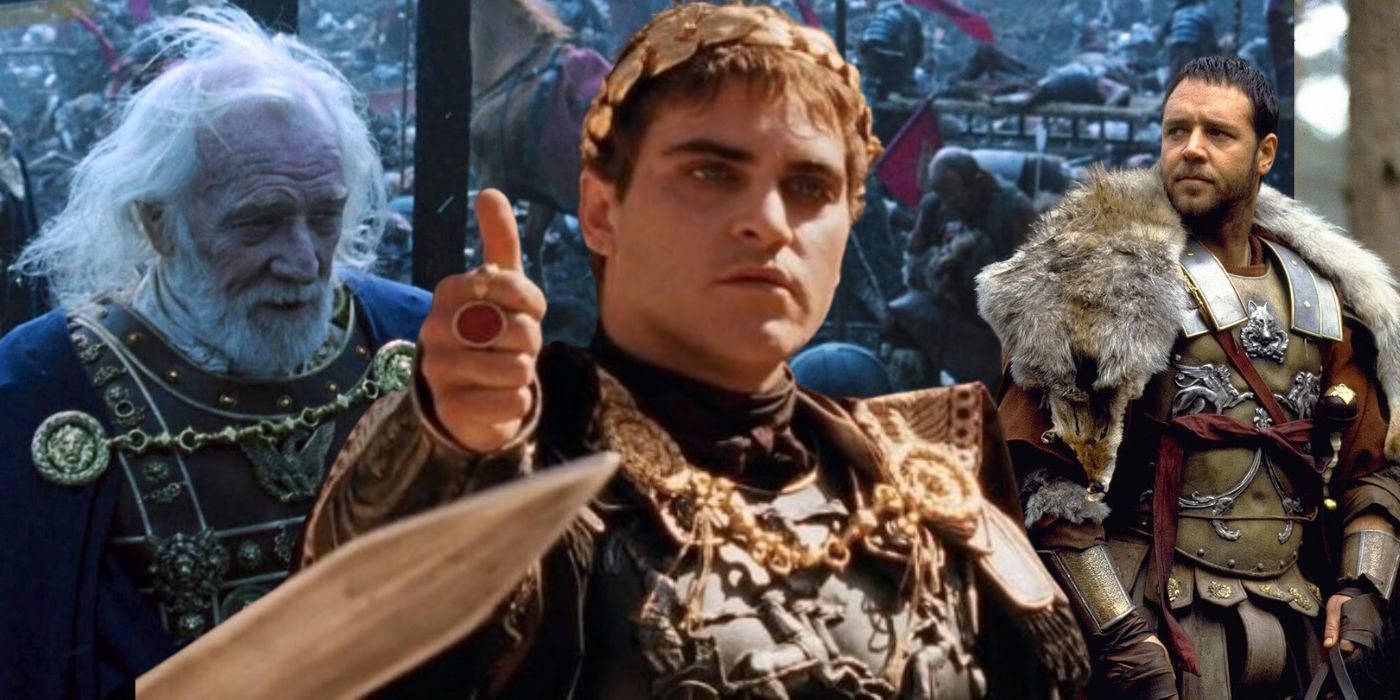
10 Most Exciting Things To Expect From Gladiator 2

The resurgence of historical epics following Gladiator’s release

When Ridley Scott's Gladiator debuted in 2000, it sparked a profound shift in how historical cinema was approached. Beyond merely rekindling fascination with ancient epics, the film fundamentally altered production methodologies, storytelling frameworks, and what viewers anticipated from historical representations in cinema. To grasp its impact requires exploring the circumstances surrounding its premiere, the sophistication of its production design, the decisions made in crafting its story, and the enduring influence it exerted on creators and viewers alike.Reviving the Sword-and-Sandal GenrePrior to Gladiator, historical epics depicting the ancient world—often labeled as the "sword-and-sandal" genre—had largely fallen out of favor. Hollywood's earlier…
Read More