Social Responsibility

Turbett Surgical Announces Recapitalization and Growth Investment by J.P. Morgan Life Sciences Private Capital

Turbett Surgical Recapitalized by J.P. Morgan Life Sciences Private Capital

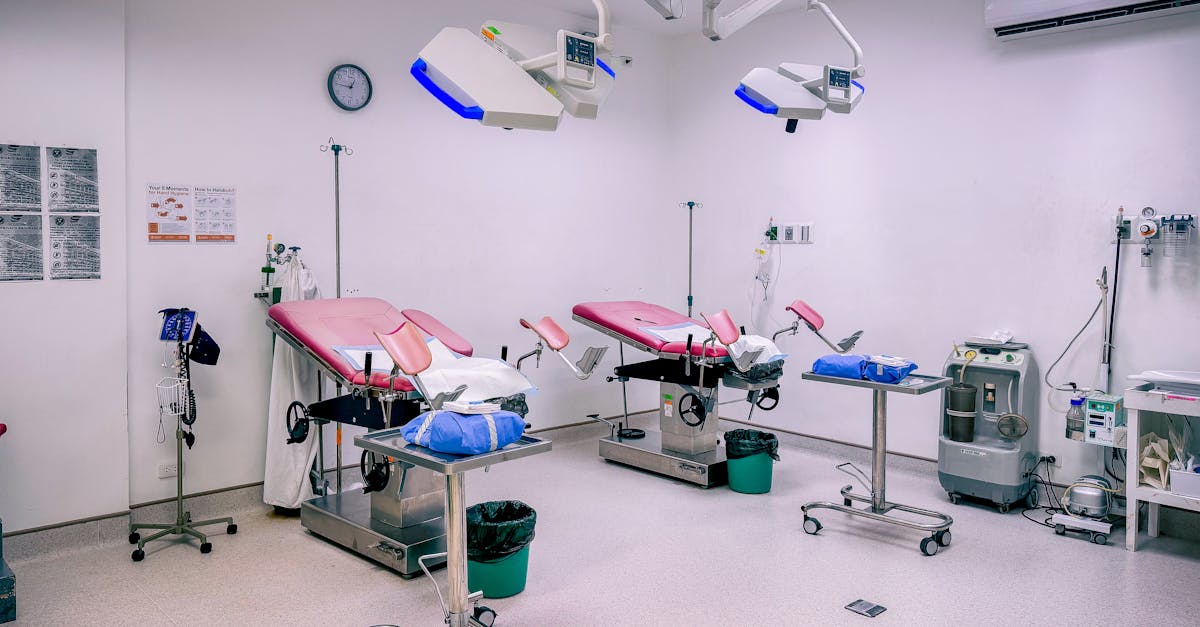
The healthcare sector continues to search for ways to improve operational efficiency while reducing environmental impact. A new growth investment positions Turbett Surgical to expand a technology designed to modernize surgical instrument sterilization and address long-standing inefficiencies in operating rooms and sterile processing departments.Turbett Surgical, a U.S.-based medical device company focused on optimizing workflows in operating rooms (ORs) and sterile processing departments (SPDs), has announced a significant recapitalization and growth investment from J.P. Morgan Life Sciences Private Capital. The transaction represents a pivotal milestone for the company, marking its first institutional financing and providing the resources needed to accelerate innovation,…
Read More
Estonia: tech CSR improving cybersecurity education and equitable digital access

How Estonian Tech CSR Enhances Cybersecurity Learning & Fair Digital Access

Estonia is widely regarded as a digitally driven nation shaped by extensive cooperation between public institutions and private actors, and after the 2007 cyber attacks that hit governmental and commercial systems, the country rapidly advanced its national cybersecurity strategy while deepening joint initiatives with industry; today, tech companies in Estonia assume a prominent corporate social responsibility role by funding cybersecurity training, broadening digital inclusion, and fostering fair access for people of different ages, regions, and socioeconomic conditions, and this article explores how Estonian tech CSR operates on the ground, presents concrete cases with measurable results, and outlines practical insights that…
Read More
Bahrain: finance CSR cases expanding inclusion and household financial education

CSR in Bahraini Finance: Driving Inclusion and Household Financial Knowledge

Bahrain has positioned itself as a compact but influential financial hub in the Gulf, combining a well-established banking sector, an early-adopter regulator for fintech, and an ecosystem of development agencies. This mix creates opportunities for corporate social responsibility (CSR) initiatives that go beyond philanthropy to actively expand financial inclusion and improve household financial capability. Financial inclusion in Bahrain is driven by three structural advantages: high digital and mobile penetration, a dense network of retail banks and insurers, and active public agencies (development banks and labor support agencies) that link finance to social policy.Regulatory and institutional enablersCentral and development institutions play…
Read More
Bangladesh: garment CSR cases improving workplace safety and career upskilling

Bangladesh Garment CSR: Boosting Safety & Upskilling

The 2013 Rana Plaza collapse that killed more than 1,100 people and injured thousands was a watershed moment for Bangladesh’s ready-made garment (RMG) sector. The disaster exposed systemic safety failures and triggered a wave of corporate social responsibility (CSR) interventions, multi-stakeholder agreements, and development programs aimed at making factories safer and creating clearer career pathways for workers. This article reviews the main CSR cases and initiatives, shows concrete workplace safety and upskilling outcomes, and draws lessons for sustaining progress.Key CSR mechanisms introduced after Rana PlazaThe Accord on Fire and Building Safety — an independent and legally binding initiative created by…
Read More
Bosnia and Herzegovina: CSR cases supporting youth employment and social cohesion

CSR Strategies for Youth Employment in Bosnia

Bosnia and Herzegovina continues to contend with long-standing difficulties in connecting its young population to stable employment while working to restore social cohesion after decades marked by political and economic transition. Youth joblessness has traditionally been several times higher than overall unemployment; according to international sources like the International Labour Organization and the World Bank, youth unemployment and NEET (not in employment, education or training) rates remained among the highest in the Western Balkans throughout the 2010s and early 2020s. Ongoing regional migration and the departure of skilled young workers further intensify both economic and social vulnerabilities. Within this landscape,…
Read More