
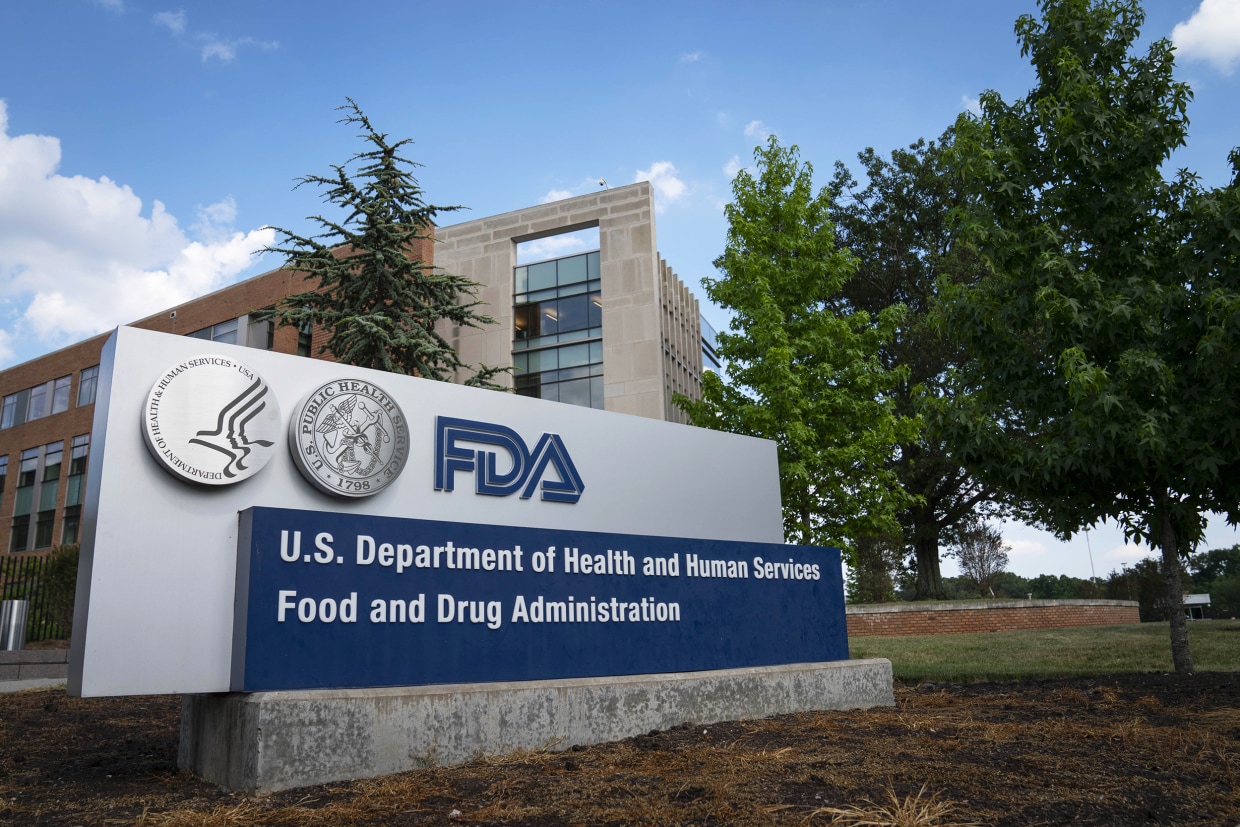

The recent announcement by the Food and Drug Administration (FDA) regarding unapproved thyroid medications has created a complex and, at times, contradictory situation for both patients and healthcare providers. On one hand, the agency has issued a strong warning about the safety risks associated with these drugs, primarily a category of “animal-derived thyroid” (ADT) products. On the other hand, the FDA has stated its intention to “ensure access” to these very same medications, at least for a transitional period. This dual message reflects the delicate balance the FDA must strike between its mandate to ensure public safety and its responsibility to prevent disruption to a crucial and widely used medication supply. The FDA’s recent actions have sent a ripple of concern through the patient community, many of whom have used these medications successfully for years.
The medications in question, often referred to as desiccated thyroid extract (DTE) and sold under brand names like Armour Thyroid and NP Thyroid, have a long history in the U.S. They were widely used before synthetic alternatives became available and were “grandfathered” in, meaning they were allowed to be marketed without going through the rigorous modern approval process. While synthetic levothyroxine (like Synthroid) is the preferred treatment for hypothyroidism and is used by the vast majority of patients, a significant portion of the population—estimated to be 1.5 million people—continue to take the animal-derived products. Many of these patients believe that the combination of T3 and T4 hormones found in these natural-source medications provides a more comprehensive treatment for their symptoms than synthetic T4 alone.
The FDA’s primary concern with these unapproved medications is their lack of consistency and quality control. Unlike FDA-approved drugs, which are subject to strict manufacturing standards to ensure that every pill contains a precise and consistent dose, the animal-derived products have been found to have variable potency. This inconsistency poses a serious risk to patients, as a dose that is too low can lead to persistent symptoms of hypothyroidism, while a dose that is too high can cause a cascade of adverse effects, including heart problems. The FDA has also cited concerns about potential impurities in these medications, which are made from dried and ground animal thyroid glands, as a reason for their regulatory action.
However, the FDA’s concurrent commitment to guarantee accessibility is an essential aspect of its messaging. The organization understands that abruptly withdrawing these drugs from the market could result in significant disruption for patients and potentially trigger a public health emergency. Numerous individuals have relied on these particular medications for an extended period, and an abrupt shift to a synthetic substitute might pose challenges. The FDA has admitted this by indicating it will refrain from taking immediate enforcement measures against producers, vendors, and importers. This period is intended to allow healthcare professionals sufficient time to collaborate with their patients to smoothly transition to an FDA-sanctioned medication.
Esta situación resalta el amplio desafío que enfrenta la FDA al regular medicamentos antiguos y no aprobados que tienen una larga trayectoria de uso y una base de pacientes fieles. Para un paciente que se siente bien con un medicamento específico, la advertencia de la FDA sobre su estado no aprobado puede resultar confusa e incluso preocupante. Estos pacientes pueden sentir que la agencia está priorizando la burocracia regulatoria sobre su bienestar personal. Esta percepción es a menudo alimentada por evidencia anecdótica y grupos de defensa de pacientes que sostienen que los medicamentos no aprobados son una opción de tratamiento esencial y efectiva para aquellos que no responden bien al T4 sintético.
The actions of the FDA are not without precedent. Historically, the agency has adopted a step-by-step method for dealing with unapproved drugs to avoid market upheaval. The present circumstances involving ADT medications are no different. The agency declares its plans to act but offers an extended transition period. This approach enables the FDA to maintain its regulatory power and ensure public safety while reducing possible adverse effects on patients dependent on these medications. The agency strives to balance rectifying a long-standing regulatory oddity with preventing a public health crisis.
The choice to categorize thyroid products derived from animals as “biologics” is a critical component of the FDA’s regulatory approach. This categorization imposes a distinct, and somewhat more stringent, approval procedure. Although the FDA has not determined a specific deadline, it has indicated that manufacturers must ultimately submit a Biologics License Application (BLA) to keep selling their products.
This is a complex and expensive process, and it remains to be seen whether any of the manufacturers of these older medications will be willing or able to go through with it. For now, the future of these drugs remains uncertain, but the FDA’s latest announcement has made it clear that their days of being sold without formal approval are numbered.