Science and Technology

Primer plano de tabletas de vitaminas amarillas dispersas sobre un fondo neutro claro.

The Value-based Care Model: Quality Up, Interventions Down

Value-based care redirects health systems from counting how many services are provided to concentrating on the outcomes that genuinely matter to patients, built on a straightforward idea: compensation should reward value rather than volume, a shift that influences clinical choices, payment structures, evaluation methods, and patient involvement while helping curb unnecessary procedures and enhance quality, equity, and affordability.The meaning behind value-driven careValue-based care aims to maximize health outcomes per dollar spent by:Measuring outcomes: clinical results, functional status, patient-reported outcomes (PROMs), and experience rather than counting visits or procedures.Aligning payment: incentives that reward prevention, coordination, and outcomes (shared savings, bundled payments,…

Read More
One small change in battery design could reduce fires, researchers say

Safer Batteries: One Design Change Could Help

A safer path forward for lithium-ion batteriesBold innovation in battery chemistry is reshaping how safety and performance can coexist. A new electrolyte design developed by researchers in Hong Kong offers a promising way to reduce fire risks without disrupting how today’s lithium-ion batteries are made.Lithium-ion batteries have quietly evolved into essential components of everyday technology, energizing smartphones, laptops, electric vehicles, e-bikes, medical devices and a vast range of tools that define modern living. Although known for strong performance and dependable operation, these batteries also possess an intrinsic hazard that has grown more apparent as their adoption has widened. Fires associated…
Read More
New images show an interstellar comet that will soon make its closest approach to Earth

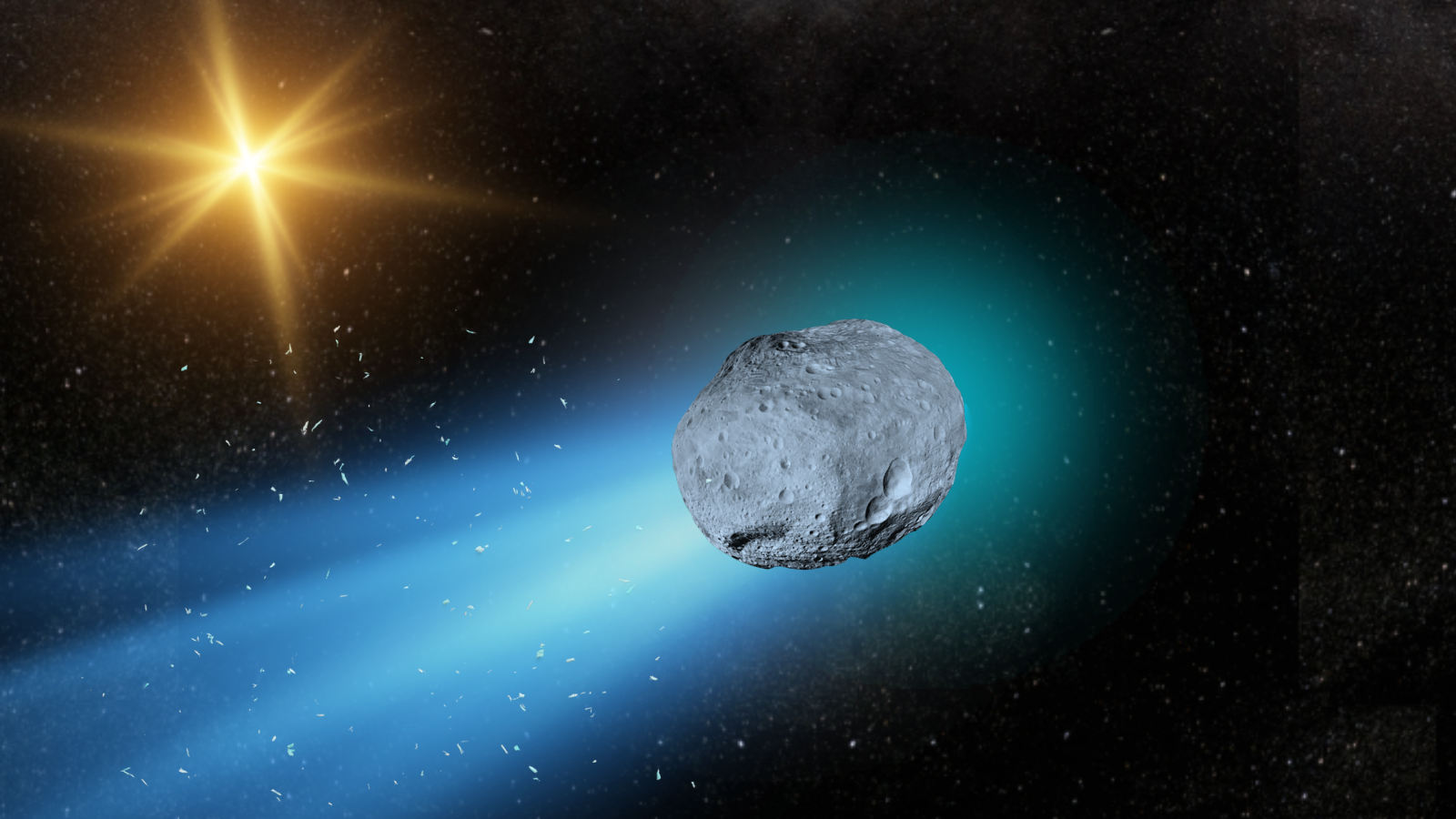
New images show an interstellar comet that will soon make its closest approach to Earth

New images of the interstellar comet 3I/ATLAS nearing Earth have been captured by astronomersNew insights into comet 3I/ATLAS highlight its distinctive composition and active tails as it approaches its nearest point to Earth this month. The interstellar traveler, hailing from outside our solar system, has captivated scientists' attention since it was first identified in July 2025.Comet 3I/ATLAS is only the third interstellar object ever detected traveling through our solar system, making every observation crucial for understanding its trajectory, composition, and behavior. Both the Hubble Space Telescope and the European Space Agency’s Jupiter Icy Moons Explorer (Juice) mission have captured detailed…
Read More
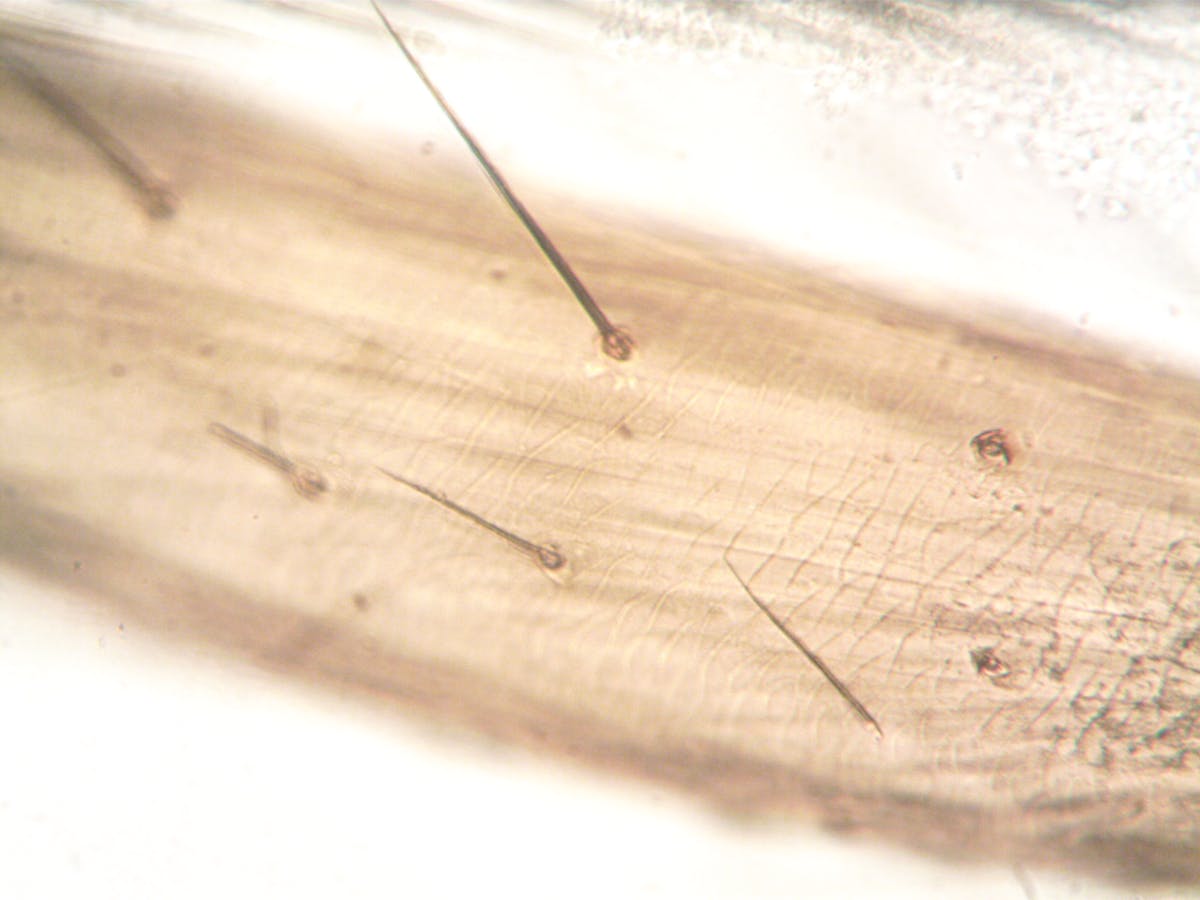
microscopic view of the structure

Exploring Robert Hooke’s Groundbreaking Cell Findings

The scientific revolution of the seventeenth century marked profound progress in understanding the natural world, and among its most significant contributors was Robert Hooke. An English polymath, Hooke’s acute observational skills and innovative experiments transformed biology, most notably through his discovery regarding cells. His meticulous work laid the foundation for future advances in microbiology and cellular biology—a legacy that persists centuries later.Robert Hooke and the Development of the Compound MicroscopeRobert Hooke was not solely a scientist but also an inventor and architect, famed for enhancing scientific instruments. During the 1660s, he refined the compound microscope, a device composed of multiple…
Read More
Why an unprecedented NASA mission is set to take off on a winding journey to Mars

Exploring Mars: NASA’s Unprecedented Winding Mission

NASA is preparing to launch twin spacecraft on a novel, winding journey to Mars, aiming to unlock the secrets behind the planet’s lost atmosphere.The endeavor, christened EscaPADE—an acronym for Escape and Plasma Acceleration Dynamics Explorers—is designed to execute a novel orbital path to investigate the process by which Mars progressively shed its atmosphere eons ago. This initiative, led by the University of California, Berkeley, and backed by aerospace firms Advanced Space and Rocket Lab, signifies an audacious venture in economical planetary investigation. Diverging from conventional Mars missions that utilize direct routes within narrow launch periods, EscaPADE will employ an innovative…
Read More